
Kumi Kimura: “My experience in India influenced the writing of the book”
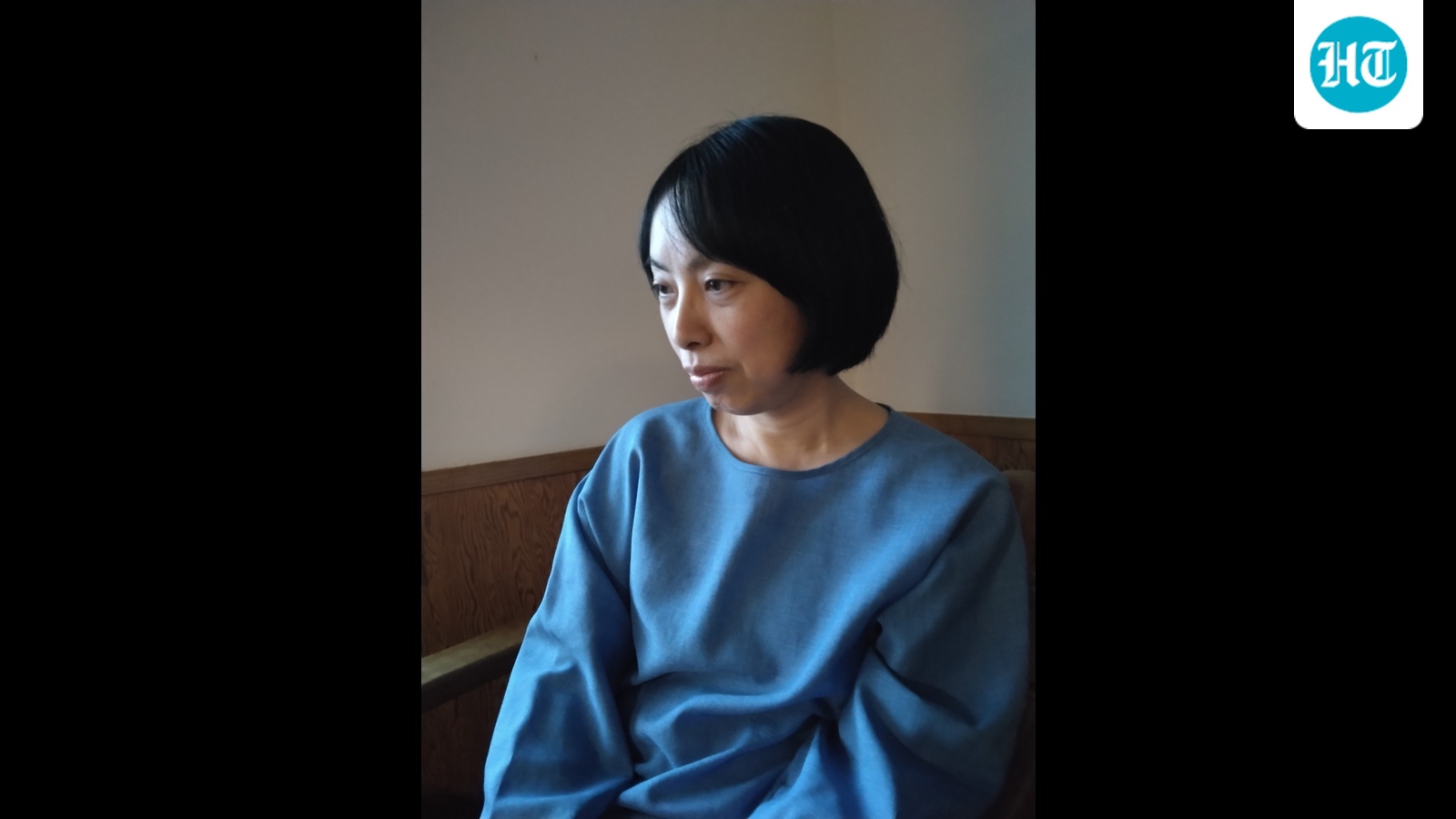
Did you write the novel during the pandemic or did you approach it retrospectively?
I had been wanting to write this book even before the pandemic and it was more about fitting a male character and a female character together in one setting, each of whom comes bearing a heavy emotional burden. The burden each one carries, could or could not be criminal in nature but they’re not criminals even though they’re not very sure because there is something that both feel very guilty about. I wasn’t really planning to write about the pandemic, but when the pandemic happened, I continued with the story and changed the setting of the book – a male character and a female character meet, carrying emotional burdens, with the pandemic as the backdrop.
What was it like for you during the pandemic? How did you deal with it and how did that time influence your writing?
At the beginning of the pandemic, I was living alone in my apartment in Tokyo. But as time went by and things started getting worse. I could only see people and friends who were in the close vicinity of my neighbourhood, so I decided to move back to my hometown in Iwate, which is where the novel is set and which is where renowned literary figures like Kenji Miyazawa and Takuboku Ishikawa are from. It is also my family home so I lived there for the entire duration of the pandemic. My younger sister had just had a baby so I helped around taking care of them, and perhaps that is why the pandemic didn’t weigh heavily on me.
Iwate is more of a rural area and it is the kind of the town where everybody knows everyone else’s business and know what’s going on with other people. So, if anyone were to contract the virus, the news would spread in an instant, and the whole town would kind of look at them as though they were criminals, as though they had done something wrong. Even when people moved to that prefecture from the big cities, they too would be treated as outsiders, just like in the novel, and they wouldn’t be welcomed. The inhabitants would isolate the so-called outsiders, and that’s how my novel’s core theme came into being.

How did your visit to India impact you?
I believe that my experience in India actually influenced the writing of Someone To Watch Over You. When I was travelling to Varanasi in 2016 (for my sister’s friend’s wedding), I saw a lot of corpses of deceased people coming down the river. At the same time, there were tourists who were positioned in places where they could witness that sight, and there were hawkers selling things around me. That entire setting of the living and the dead co-existing in and above the water stayed with me as I wrote the novel.
A lot of Japanese authors like Mieko Kawakami, Sayaka Murata, and Natsuko Imamura play with the theme of isolation and loneliness, especially with regards to women’s characters. Why is that?
I feel a lot of writers approach and write about this theme of isolation and “being by yourself” because it is so close to them and it’s very accessible and it’s right there. It’s a topic worthy of exploring because so many people can relate to it. But even in a safe and clean country like Japan, sometimes there is unsettling news. Recently, we heard about a woman who lived alone, being stalked and killed by a man she didn’t even know. So, the idea of Japan being a supposedly safe society where people don’t have to worry about their solitude is true, but headlines such as these are reminders that one shouldn’t take solitude for granted.
What about the theme of isolation in your book?
The themes of loneliness and solitude are certainly the central theme of the novel, but it also comes in context with what the responsibility of the community we’re living in is. All my books are centered around these topics and they’re very personal to me. Therefore, I didn’t write the book imagining that this would be a theme that’d resonate with people. In fact, I never thought my works would be translated into English at all. The concept of isolation comes from a very personal place, something that I think about a lot and grapple with, so naturally they have a dominant role in all my novels.
The protagonists Tae and Shinobu come to live in the same house and share space, so the house becomes refuge and prison at the same time. How did you imagine the space with these two individuals?
You know I have these older relatives, both male, brothers, who live in the same house but do not see eye to eye and they do everything they can to avoid each other. Perhaps seeing their lives and how they behave influenced the writing of this book.
The idea of the story wherein the house feels like both a refuge and a prison, is very accurate because it sort of describes the brothers’ lives. And it gets interesting because one time, one of the brothers fell sick and the other one had no option but to become a caregiver to him. It was incredible to witness that because in theory they hated each other, but when things go south, one of them has to step up and be there for the other one. So yes, it was sort of unfolding in a similar way in my novel too.
(Kumi Kimura’s responses translated by her translator, Yuki Tejima)
Arunima Mazumdar is an independent writer. She is @sermoninstone on Twitter and @sermonsinstone on Instagram.
Source link


