Boost Multimedia Journalism Skills for the Digital Future
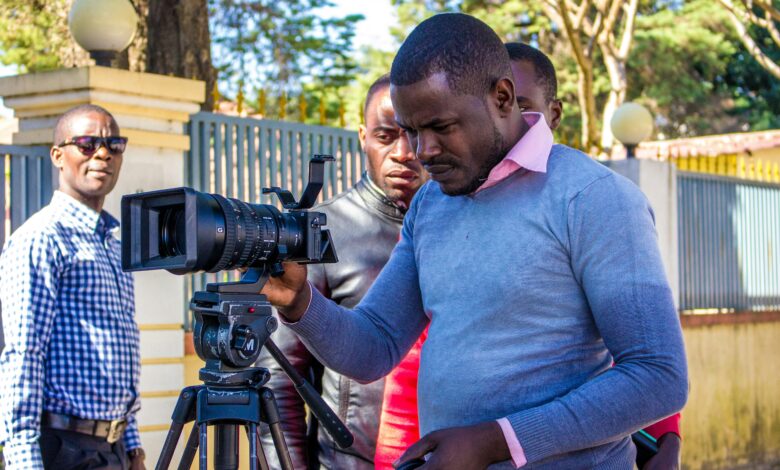
The digital world is moving fast. New tools emerge every day, and audiences shift from one screen to another in the blink of an eye. To stay ahead, creators must grow new strengths. This is why learning how to strengthen multimedia journalism skills for the digital future matters more than ever. Clear stories, steady ethics, and adaptable techniques help every journalist thrive in this changing space. The goal is to meet people where they are and share stories in a way that feels alive and real.
The Digital Future Needs Strong, Flexible Skills
Today’s audience wants news in many forms. They want short videos, quick audio clips, clear infographics, and strong written stories. They transition seamlessly from social feeds to streaming sites. To stay competitive, journalists must craft stories in a variety of formats. This means learning to film, record, design, and write with the same level of care and attention.
When you strengthen multimedia journalism skills for the digital future, you become more than a writer. You become a full storyteller who can reach readers through sound, motion, and visuals. This opens new paths for ideas and allows deeper engagement with the people you serve.
Clear Writing Still Comes First
Even as tools evolve, clear writing remains the core of good journalism. Simple language builds trust. Short sentences keep readers focused. Direct wording makes meaning stronger. These qualities matter even more when stories are shared across different formats.
A script for a video should be clean and easy to read aloud. Captions must be short and intense. Social posts must hold attention at a glance. Clear writing supports all these needs. It is the base that holds every story together.
Visual Storytelling Brings News to Life
Modern audiences rely on visuals to understand events. Images, graphics, and quick clips help explain ideas that could take many paragraphs to describe. A journalist who can shoot steady video or design simple graphics adds extra value to each story.
Strong visual storytelling does more than make news attractive. It can guide people through complex issues with clarity and precision. A brief animation can effectively convey a policy change. A photo series can show the human side of a crisis. A map can help audiences visualize the connections between events. These tools help people learn with less confusion and more confidence.
Audio Skills Build Connection and Trust
Audio has become a powerful space for news. Podcasts, voice notes, and short clips help stories travel easily from place to place. They also add warmth, emotion, and tone that text alone cannot show.
To strengthen multimedia journalism skills for the digital future, it helps to learn basic audio editing. Clean sound builds trust. It keeps listeners engaged. It also provides journalists with a new way to reach people who are busy or on the go. A strong audio piece can turn a simple update into a meaningful experience.
Digital Tools Expand Story Possibilities
Modern journalism utilizes various tools that streamline and expedite the work process. Simple editing apps let reporters adjust video on the go. Online templates help create charts and graphics in minutes. Voice transcribers help take quick notes. These tools are no longer optional. They are now part of the daily reporting process.
Learning these tools builds confidence. It prepares journalists to work under tight deadlines and changing conditions. It also helps them shape stories in fresh and creative ways.
Social Platforms Shape Audience Reach
Today, many people find news scrolling on their phones. This means journalists must understand how stories move across different platforms. Each platform has its own style and pace. A clip that works for one person may not work for another.
To strengthen multimedia journalism skills for the digital future, reporters should study how audiences behave online. What do people share? What pulls attention? What builds trust? With this insight, journalists can craft stories that travel farther and reach more people without losing accuracy.
Ethics Matter Even More in Fast Media
Fast production cycles can create risks. With so much content racing forward, mistakes can spread quickly. This is why strong ethics are essential for digital journalism.
Journalists must fact-check carefully, properly credit sources, and maintain transparency. They must shape stories with fairness and respect. Even when using new tools like automated transcription or quick-edit apps, accuracy must remain at the center of the process. Ethical strength protects both the reporter and the audience.
Collaboration Makes Stories Stronger
Modern journalism is rarely a solo effort. Many stories now involve writers, editors, producers, designers, and photographers working together. Learning how to collaborate supports better results.
A journalist who understands another team member’s process can plan with clarity. This leads to stronger videos, cleaner audio, and smoother graphics. It also fosters a positive workplace and helps teams deliver stories more efficiently.
Lifelong Learning Keeps Journalists Ready
The digital world never stops changing. New platforms rise. Old ones fade—editing tools update. Audience habits shift. Because of this, growth cannot stop after one course or one project.
A journalist must stay open to learning. Workshops, webinars, and online communities all help with this. Curiosity makes the difference between a storyteller who falls behind and one who leads the way.
The Path Forward
To craft compelling stories for tomorrow, journalists must develop a blend of skills that enables them to create compelling narratives. They need clear writing, strong visuals, warm audio, ethical thinking, and digital fluency. With these abilities, they can cater to the needs of modern audiences and create work that feels genuine, honest, and authentic.
When you strengthen multimedia journalism skills for the digital future, you invest in your own voice. You gain the power to share meaningful stories across every screen and speaker. And you help build a more informed and connected world.
Source link