Dingle Lit Festival 2025 in Ireland Attracts Readers, Writers, and Global Travelers While Strengthening Cultural Tourism and Literary Heritage: Check It Out Now
Published on
December 3, 2025
The 2025 Dingle Lit Festival once again illuminated the west of Ireland with a vibrant celebration of literature, creativity, and cultural identity. Held from November 21–23 in Corca Dhuibhne, the festival drew large and enthusiastic audiences, solidifying its reputation as one of the most intimate and enriching literary events in the country. Over the course of three days, readers, writers and visitors from across regions converged to engage with storytelling, heritage, and the evolving landscape of Irish writing.
The event’s continued success reflects not only its literary significance but also its growing role in shaping tourism, attracting both domestic travelers and international cultural explorers who seek immersive, community-driven experiences.
A Literary Gathering Rooted in Culture and Landscape
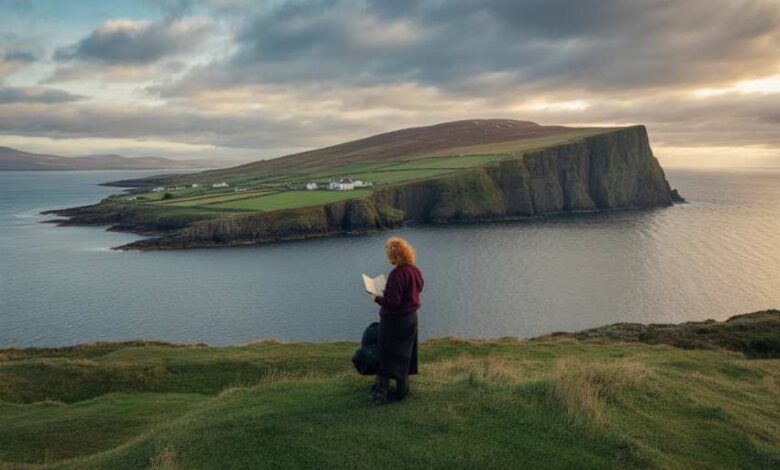
Set in the scenic town of Dingle, surrounded by rugged coastlines, ancient landscapes and a rich Gaelic heritage, the festival benefits from the atmospheric backdrop of Ireland’s west coast. Visitors often describe the region as a natural extension of the festival’s themes—evoking imagination, introspection, and poetic reflection.
The setting contributes to the festival’s distinct identity. While major global literary festivals often lean on scale and celebrity appeal, Dingle Lit succeeds through intimacy, depth and a connection to place. The unique blend of Irish-language events, contemporary fiction, poetry, historical reflection, and creative workshops positions the festival as a cultural anchor in the region.
For travelers, the location itself becomes part of the festival’s attraction. Those who journey to Dingle experience not only the events but also the serene landscapes, local traditions, and coastal charm that define the region. This connection between literature and land marks the festival as a destination event rather than just a cultural gathering.
A Weekend of Conversation, Creativity, and Intellectual Exploration
Throughout the three-day festival, a rich programme of discussions, readings, and interactive sessions unfolded across the town. Visitors were treated to dynamic exchanges spanning fiction, poetry, politics, culture, and history.
The fiction programme brought multiple contemporary voices into conversation, offering insights into Ireland’s evolving literary movements. Discussions explored themes such as identity, migration, memory, and the shifting fabric of modern society.
Another major highlight was the festival’s strong engagement with crime fiction, reflecting an ongoing global fascination with Irish storytelling in this genre. Visitors were able to explore how Ireland’s landscapes, folklore and contemporary issues inspire authors in crafting compelling narratives that resonate with international audiences.
The non-fiction sessions also added significant depth. Dialogues on historical events, political shifts, and social change allowed attendees—particularly travelers seeking cultural understanding—to gain perspective on Ireland’s past and present. Historical explorations such as analyses of Ireland’s famine narratives or its political cycles provided attendees with intellectual grounding that complemented the festival’s creative energy.
Poetry as a Living Cultural Force
Poetry remained one of the most celebrated pillars of the festival. It served not only as a literary form but as a cultural expression deeply entwined with Ireland’s history and identity. The festival’s poetry lineup featured a blend of established voices and emerging talents, embodying the continuity of the Irish poetic tradition.
Many visitors from abroad remarked that experiencing poetry in a place where the landscape itself feels poetic enhances the encounter. The festival environment—shaped by stone-walled fields, Atlantic winds, and Gaelic echoes—creates a distinct sensory backdrop that intensifies the audience’s engagement with poetic expression.
This year, the festival expanded its reach by collaborating with a major poetry foundation to produce two new poetry films on the peninsula. One featured a beloved local figure whose artistic presence has shaped the region’s cultural atmosphere. The films premiered after a roundtable discussion, giving guests insight into the creative relationship between poetry, film, and place.
Honouring Heritage: Irish-Language Programming at the Core
Central to the festival’s identity is its robust Irish-language programme, reflecting the linguistic and cultural richness of the Gaeltacht. Events included readings, discussions on publishing, workshops in oral poetry, scriptwriting, and illustration. These sessions helped visitors—especially those from outside Ireland—understand the enduring significance of the Irish language in contemporary culture.
Irish-language events emphasized community connection, continuity of tradition and the unique narrative power carried within the country’s native tongue. Attendees experienced firsthand how the Irish language is not merely preserved but lived, spoken and woven into literature, performance and everyday interaction.
Visitors interested in cultural tourism found these events particularly meaningful, as they offered opportunities to engage with a linguistic heritage rarely encountered elsewhere. For many travelers, this immersion becomes a lasting memory and a deeper understanding of Ireland’s cultural layers.
A Festival that Welcomes All Ages
The festival’s dedication to children and young people stood out as one of the most inclusive aspects of the programme. All events for younger audiences were free-of-charge, ensuring accessibility and fostering early engagement with creativity.
Activities included storytelling sessions, music, illustration workshops and interactive “rhyme-and-sign” storytimes. These events reflected a commitment to nurturing the next generation of Irish readers and writers while making the festival a family-friendly attraction for tourists visiting the region during the weekend.
Visitors traveling with children found the festival particularly appealing, as it offered culturally enriching experiences that were both educational and entertaining. The emphasis on accessibility also ensured that local families and visiting travelers shared the same welcoming environment, reinforcing the festival’s community-centered ethos.
Creative Workshops at the Festival’s Heart
Workshops remained integral to the festival’s mission, providing spaces where both emerging and experienced writers could develop their craft. Sessions focused on nonfiction, poetry, illustration, and creative practice, enabling participants to learn directly from professionals and explore new approaches to storytelling.
For travelers, participating in such sessions became a rare opportunity to engage creatively while exploring Ireland. Many international visitors plan trips around immersive cultural experiences, and the festival’s workshops cater to this growing trend by blending travel with hands-on creative engagement.
This merging of tourism and creative learning strengthens Dingle’s identity as a cultural destination and positions the festival as a resource for those seeking skills development rather than passive spectating.
Commemorations and Community Reflection
One of the deeply moving moments of the festival occurred during a ceremony held in the Díseart Gardens to honor a recently departed cultural figure. This gathering invited reflection on legacy, community memory and the role of artistic contribution in shaping local identity.
Such commemorations give a festival like this emotional and cultural depth, driving home the idea that Dingle Lit is not simply an event but a living expression of community history, shared values and collective storytelling.
Strengthening Tourism Through Literature
In recent years, literary tourism has emerged as one of the fastest-growing segments of global travel, with visitors seeking destinations that offer creative and intellectual experiences. Dingle Lit has proven to be a significant contributor to this trend.
The festival enhances tourism in several ways:
1. Extending the travel season
Held in late November—outside the traditional peak tourism months—the festival draws visitors during a quieter period, supporting local businesses and hospitality services.
2. Attracting culturally motivated travelers
Many festival attendees plan their travels around literary and artistic events, making Dingle a key stop for tourists seeking cultural depth.
3. Showcasing the Gaeltacht
The event highlights the distinctiveness of the Gaeltacht region, encouraging visitors to explore its language, history and landscapes.
4. Supporting local economy
Hotels, restaurants, shops, cafés and transport services experience an increase in activity during the festival weekend.
5. Encouraging repeat visits
Travelers often return for the scenic beauty, cultural atmosphere and sense of community they first encounter during festival events.
In these ways, cultural festivals like Dingle Lit become essential components of regional tourism development.
A New Perspective: Literature as a Journey Across Borders
The 2025 edition of the festival illustrates a larger global trend: literature is becoming a catalyst for travel. Books transport people across worlds, and literary festivals extend that journey into real landscapes. In Dingle, visitors not only listen to stories—they step into a place where storytelling is lived, spoken and celebrated daily.
This blending of literature and travel creates a unique form of experiential tourism, where visitors feel they are part of the cultural fabric rather than external observers. The community’s warmth, the creative atmosphere and the coastal beauty enhance the travel experience, offering something far more meaningful than typical sightseeing.
Conclusion: A Festival That Leaves a Lasting Mark
The 2025 Dingle Lit Festival concluded with a strong sense of accomplishment and creative energy. Over its three-day run, it brought together voices from across Ireland and beyond, creating a dynamic space for conversation, reflection and cultural exchange.
For the global traveler, the festival offered a deep and enriching entry point into Ireland’s literary heritage, artistic spirit and hospitality. For the local community, it strengthened identity, encouraged creativity and reaffirmed the role of culture at the heart of everyday life.
As the festival continues to evolve, it stands not only as a celebration of literature but as a beacon for cultural tourism, inviting the world to experience Ireland through its stories, languages and artistic traditions.

Source link