the writer who witnessed the future
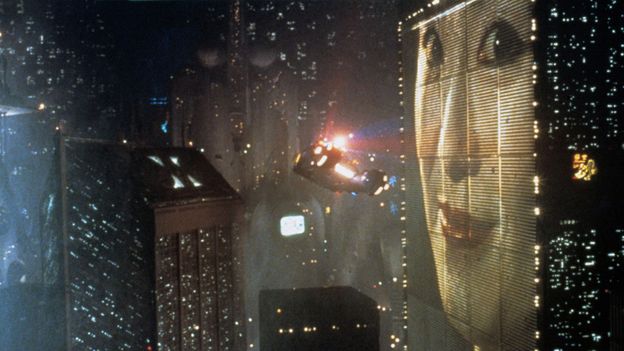
Whether his visions were medical or supernatural, one thing is clear: Dick had a startling ability to foreshadow the modern world. Celebrated science-fiction and fantasy author Stan Nicholls suggests Dick’s work is prescient because it explored the future through the then-present. “His stories posited the ubiquitousness of the internet, virtual reality, facial recognition software, driverless cars and 3D printing,” Nicholls tells BBC Culture – while also pointing out that “it’s a misconception that prediction is the primary purpose of science fiction; the genre’s hit rate is actually not very good in that respect. Like all the best science fiction, his stories weren’t really about the future, they were about the here and now.” Indeed, Dick’s incorporation of everyday aspects of post-War America into his futures has meant that his worlds possessed a surreal familiarity.
Nevertheless, the way he also anticipated particular technological and societal developments remains striking. “He had a lot of scientific images of the way the future would work,” says Anthony Peake, author of the biography A Life of Philip K Dick: The Man Who Remembered the Future (2013). “For instance, he had a concept that you would be able to communicate advertising to people directly, that you’d be able to know them so well that you could target the marketing precisely to their anticipations. And this is exactly what is happening online.”
 Alamy
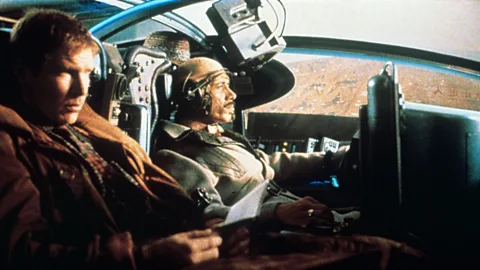
AlamyPeake could be referring to any number of Dick’s stories, the most famous in this regard being the 1956 story The Minority Report, adapted for the cinema in 2002 by Steven Spielberg. Screen adaptations have often latched on to the invasive nature of advertising in his work, yet the writer explored the theme in far more detail than as merely a background aesthetic (which is how it manifests on screen).
In the 1954 short story Sales Pitch, for example, the idea of aggressive yet unnervingly personalised advertising finds fruition in a demented machine that constantly markets itself at the story’s protagonist. In the 1964 novel The Simulacra, on the other hand, advertising is embodied by a mechanical fly-like creature. As he writes in the novel, the “commercial, fly-sized, began to buzz out its message as soon as it managed to force entry. ‘Say! Haven’t you sometimes said to yourself, I’ll bet other people in restaurants can see me!'”. It’s a physical equivalent of spam or tailored adverts popping up on social media.
Source link